Preventing cavities is one of the most important parts of long-term oral health. At Magis Dental, patients in Joliet and Plainfield, IL often ask whether fluoride treatments or dental sealants are the better option. The answer is that both treatments serve different but complementary roles in protecting teeth from decay.
Fluoride vs Dental Sealants in Joliet IL
Fluoride vs Dental Sealants in Joliet IL
Learn the difference between fluoride treatments and dental sealants in Joliet IL. Discover which cavity prevention option is right for you at Magis Dental.
Fluoride vs Dental Sealants in Joliet IL
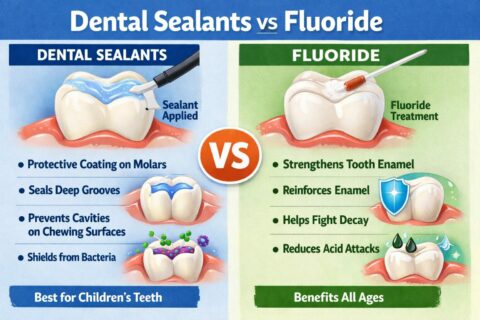
What is the difference between fluoride and sealants?
Fluoride strengthens tooth enamel across the entire surface of the tooth, helping it resist acid attacks and repair early microscopic damage. Dental sealants, on the other hand, provide a protective barrier over deep grooves on chewing surfaces where bacteria commonly collect.
Fluoride protects broadly. Sealants protect specific high-risk areas. Together, they create a comprehensive preventive approach.
When is fluoride recommended?
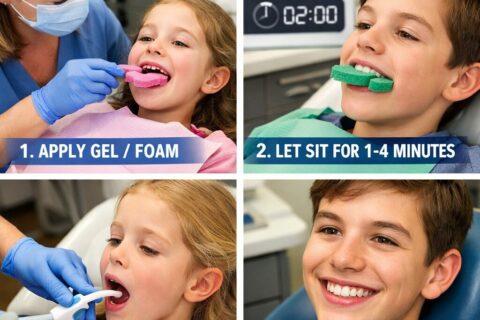
Fluoride is commonly recommended for patients of all ages who want stronger enamel and reduced cavity risk. It is especially helpful for patients with sensitivity, dry mouth, early signs of decay, or frequent cavity history. Professional applications during routine dental visits provide additional protection beyond toothpaste alone.
When are dental sealants recommended?
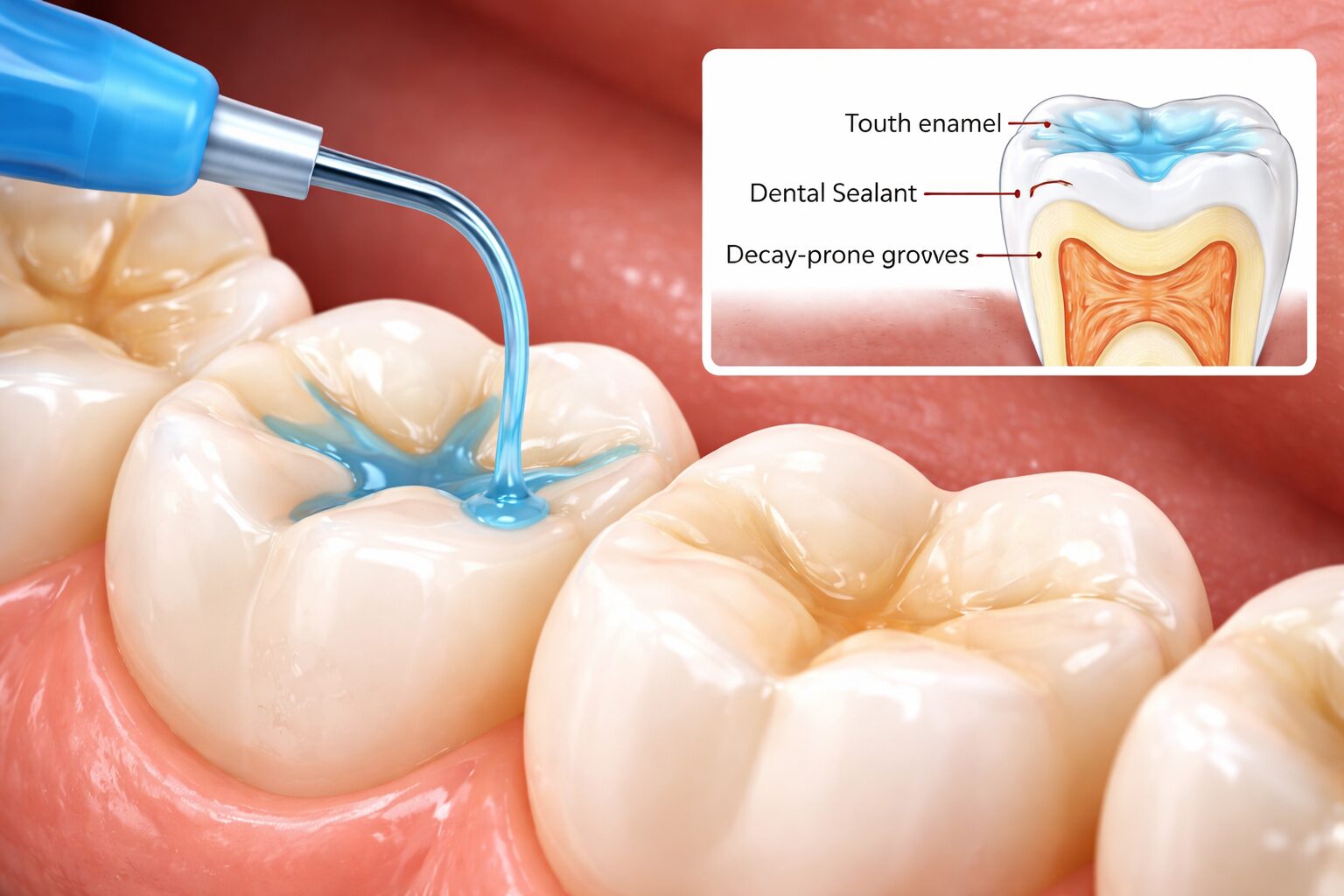
Sealants are ideal for molars and premolars that contain deep grooves which are difficult to clean. They are commonly recommended for children when permanent molars erupt, but adults with cavity-prone teeth may benefit as well. Sealants are often used alongside fluoride treatments to maximize cavity prevention.
Why Combining Fluoride and Sealants Works Best
Many patients benefit from both treatments because they protect teeth in different ways. Fluoride strengthens enamel across all teeth, while sealants protect specific areas where decay often begins.
Using both treatments helps reduce cavity risk, protect developing teeth, and minimize the need for future restorative procedures such as dental fillings.
Preventive benefits include:
• Whole-tooth enamel strengthening
• Protection of deep chewing grooves
• Reduced cavity risk in children and adults
• Lower likelihood of restorative treatment
• Long-term preventive support
Comprehensive Cavity Prevention — protects both enamel and grooves
Non-Invasive Care — no drilling required
Supports Pediatric Oral Health — protects developing teeth
Reduces Sensitivity Risk — strengthens exposed surfaces
Long-Term Prevention Strategy — proactive care approach
Preventive Assessment — evaluate cavity risk and tooth anatomy
Fluoride Application — strengthen enamel across teeth
Sealant Placement — protect deep grooves in molars
Routine Monitoring — check protection at recall visits
Personalized Recommendations — adjust prevention over time
Preventive Resource Center
Explore more preventive dentistry resources:
• Fluoride Treatments
• Dental Sealants
• Digital Dental X-Rays
• Dental Exams and Cleanings
Fluoride vs Sealants FAQs
Which is better fluoride or sealants?
Neither is better. Fluoride strengthens enamel while sealants protect grooves. Many patients benefit from both.
Do adults need sealants or fluoride?
Adults with cavity risk, sensitivity, or deep grooves may benefit from one or both treatments depending on their oral health.
Are sealants only for kids?
No. While common for children, adults with cavity-prone teeth can benefit from sealants.
How long do fluoride and sealants last?
Fluoride provides ongoing strengthening while sealants can last several years with maintenance.
Can these treatments prevent cavities completely?
They significantly reduce risk but work best alongside brushing, flossing, and routine care.
Is preventive dentistry worth it?
Preventive care helps avoid more complex procedures and supports long-term oral health.
Learn About Preventive Dentistry Options

Dental Sealants
Dental sealants in Joliet protect molars from cavities by sealing deep grooves. Quick, painless preventive treatment at Magis Dental.
Slug (if standalone page):
Fluoride Treatments
Professional fluoride treatments in Joliet strengthen enamel, reduce sensitivity, and help prevent cavities. Simple preventive care at Magis Dental.
Preventive Dentistry
Preventive dentistry is the foundation of lifelong oral health. Our Joliet, IL dental team focuses on routine exams, cleanings, and gum care to help prevent tooth decay and periodontal disease.
© 2024 Magis Dental