Dental sealants are a thin protective coating placed on the chewing surfaces of molars and premolars to help prevent cavities. These back teeth often contain deep grooves and pits where food particles and bacteria can collect, making them difficult to clean with brushing alone. Because most tooth decay begins in these areas, sealants act as a protective barrier that keeps bacteria out and creates a smoother surface that is easier to maintain.
Sealants can provide long-term protection and are routinely evaluated during routine dental checkups to ensure they remain intact.
Sealants are commonly recommended as part of preventive care for patients with higher cavity risk or teeth that are more difficult to clean.
Sealants may be appropriate for:
- Children and teenagers – especially when permanent molars first erupt, typically between ages 6–16
- Adults – teeth with deep grooves that have not developed decay
- Baby teeth – in certain situations when deep grooves are present and cavity risk is elevated
Sealants are often used alongside professional fluoride treatments to strengthen enamel and provide comprehensive cavity prevention.
Applying sealants is quick, comfortable, and non-invasive. The procedure usually takes only a few minutes per tooth and does not require anesthesia.
During the sealant visit, you can expect:
- Thorough Cleaning – The tooth surface is cleaned to remove plaque and debris.
- Preparation of Enamel – A gentle conditioning solution is applied to help the sealant bond securely.
- Drying and Placement – The sealant material is carefully painted into the grooves of the tooth.
- Hardening the Material – The sealant sets naturally or with a curing light depending on the material used.
- Evaluation and Maintenance – Sealants are checked at future visits to monitor wear or chipping.
With proper oral hygiene, balanced nutrition, and regular visits, sealants can help reduce cavity risk for many years and may decrease the need for treatments such as dental fillings or more complex restorative care.
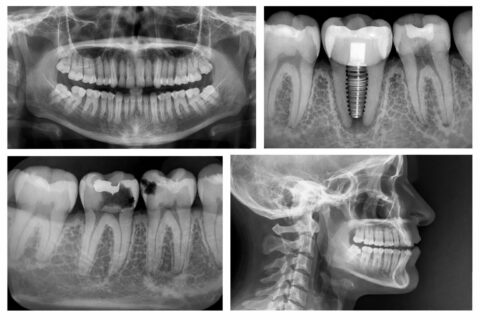
Sealants and fluoride serve different but complementary roles in preventive dentistry. Sealants protect specific high-risk grooves, while fluoride strengthens the entire tooth surface. Preventive imaging like digital dental x-rays helps identify which patients benefit most from each approach.
At Magis Dental, these treatments are often combined to create a comprehensive prevention plan tailored to your oral health needs.